The Icon of the Steakhouse: Unveiling the New York Strip Steak
Few cuts of beef command as much respect and adoration as the New York Strip steak. Revered by chefs and home cooks alike, this iconic cut offers a remarkable balance of robust beefy flavor, satisfying texture, and surprising versatility. Originating from the bustling culinary landscape of New York City, its legacy is as rich as its taste. Whether you're a seasoned steak enthusiast or new to the world of premium beef, understanding the nuances of the New York Strip—from its marbling to its numerous cooking applications—is key to unlocking an unforgettable dining experience. To truly appreciate its distinct qualities, it's essential to delve into what makes this cut so special. For an even deeper dive into its unique characteristics, explore Unlock the Bold Flavor: What Makes New York Strip Unique.
The Legacy and Anatomy of the New York Strip
The story of the New York Strip is steeped in history, tracing its roots back to the legendary Delmonico’s Restaurant, established in New York City in 1827. It was here that this particular cut gained renown, becoming a signature dish and eventually lending its name to the bustling metropolis itself. While its moniker is quintessentially New York, you might also hear it referred to as a Kansas City strip or simply a strip loin across different regions.
Anatomically, the New York Strip steak is harvested from the short loin primal of the cow, a section nestled comfortably behind the ribs and just in front of the sirloin. This area is home to the longissimus dorsi muscle, a muscle group that sees relatively little exercise. This anatomical fact is paramount to the steak's appeal: minimal exertion translates directly into exceptional tenderness. Unlike the buttery, almost melt-in-your-mouth tenderness of a filet mignon, the New York Strip offers a more substantial, satisfying chew, delivering a bold, beefy flavor that stands on its own. It shares its primal home with other beloved cuts like the T-bone and porterhouse, which are essentially a New York Strip and a section of tenderloin separated by a bone.
When selecting your steak, you'll primarily encounter boneless versions of the New York Strip, prized for their consistent cooking and ease of preparation. However, bone-in variations are also available, offering an additional layer of flavor imparted by the bone during cooking, often yielding an even juicier result. Most strips range from 1 to 1.5 inches in thickness, though thicker cuts, up to 2 inches, are increasingly popular, especially for advanced techniques like reverse searing, which benefits from the extended cooking time to achieve a perfect internal temperature and even doneness throughout.
The Secret to Superior Flavor: Marbling and Grade
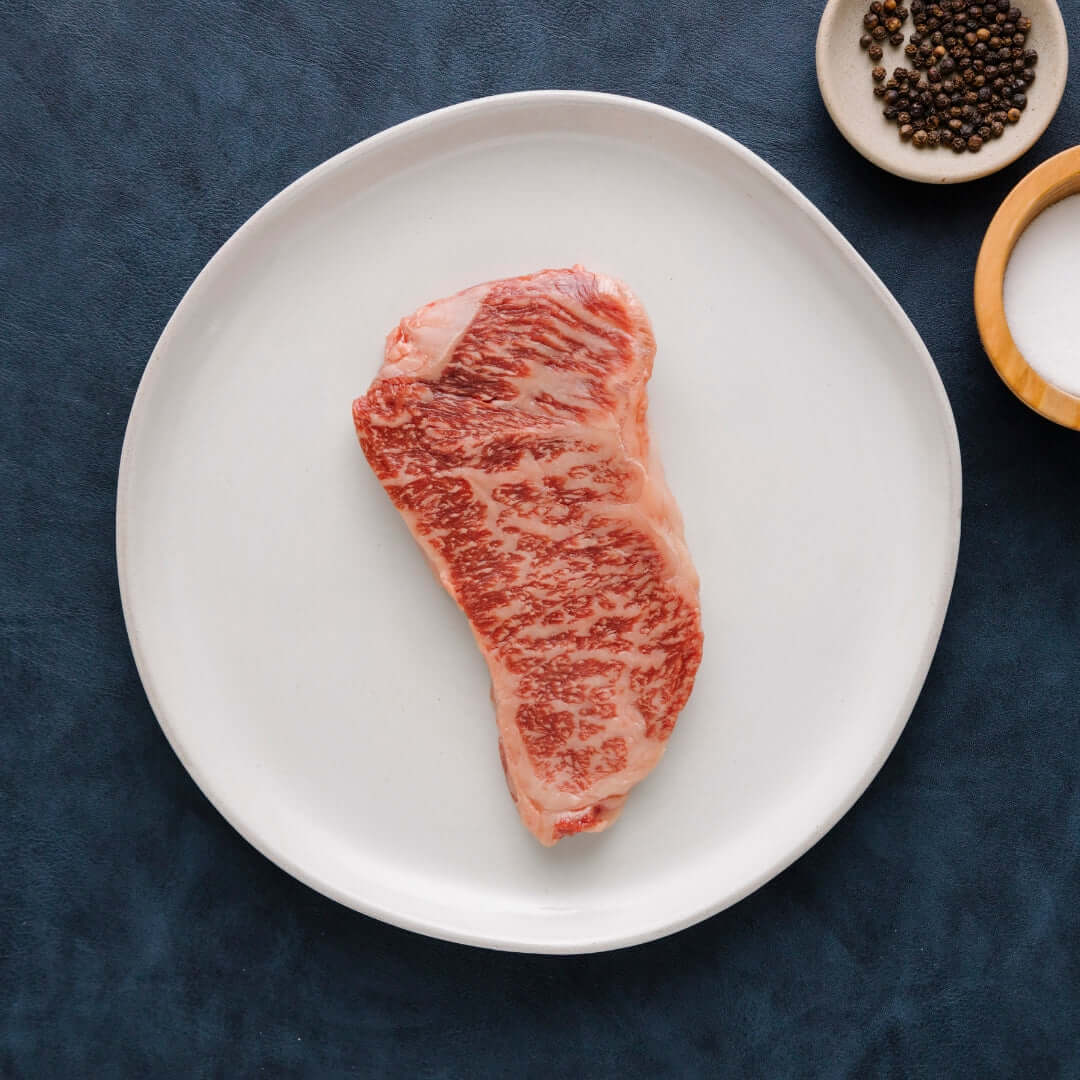
The hallmark of an exceptional New York Strip steak lies within its marbling—those delicate, intricate white lines of intramuscular fat woven throughout the lean red meat. This isn't just visually appealing; it's the cornerstone of the steak's flavor and juiciness. As the steak cooks, this marbling slowly renders, melting into the muscle fibers. This process infuses every bite with a rich, buttery flavor and keeps the meat incredibly moist and tender. Without adequate marbling, even the most expertly cooked strip can fall short on flavor and succumb to dryness.
Understanding USDA beef grades is crucial when shopping for a premium New York Strip. The two grades you should prioritize are:
- USDA Prime: This is the highest grade, indicating abundant and fine marbling. Prime cuts are often found in high-end steakhouses and gourment markets, delivering an unparalleled eating experience in terms of tenderness, juiciness, and flavor. They come with a higher price tag, but for special occasions, the indulgence is often worth it.
- USDA Choice: This grade is widely available and represents excellent quality, with moderate marbling. Choice steaks offer a fantastic balance of flavor and value, making them a popular choice for everyday cooking and discerning home chefs. The marbling is still significant enough to impart great flavor and moisture.
While USDA Select beef is also available, it typically has less marbling and may result in a less flavorful and juicy steak. Beyond the grade, when visually inspecting a New York Strip, look for:
- Consistent Thickness: This ensures even cooking from edge to edge.
- Vibrant Red Color: A healthy, bright red hue indicates freshness.
- Firm Texture: The meat should feel firm to the touch, not mushy.
Paying attention to these details will significantly enhance your chances of selecting a strip steak that lives up to its legendary reputation, promising a deeply satisfying culinary experience.
Mastering the Cook: Popular Methods for Your New York Strip Steak
One of the many joys of the New York Strip steak is its remarkable versatility in the kitchen. From the fiery kiss of the grill to the precise control of sous vide, this cut adapts beautifully to various cooking methods, each promising restaurant-quality results. To truly elevate your home cooking, understanding the techniques behind these methods is key. For a deep dive into achieving perfection, check out Your Ultimate Guide to Cooking Restaurant-Quality NY Strip.
Pan-Searing: The Quintessential Crust
Pan-searing is arguably one of the most beloved and effective ways to cook a New York Strip, delivering an exquisite, crisp crust while maintaining a juicy, tender interior. Here’s a breakdown of the method:
- Bring to Room Temperature: Remove your steak from the refrigerator 20-30 minutes before cooking. This helps ensure even cooking.
- Pat Dry, Season Generously: Use paper towels to thoroughly dry the surface of the steak. Moisture is the enemy of a good crust. Season liberally with coarse kosher salt and freshly cracked black pepper. Don't be shy; a good crust needs robust seasoning.
- Preheat Your Skillet: Place a heavy-bottomed skillet (cast iron is ideal) over medium-high heat. Let it heat until it's lightly smoking. This high heat is crucial for the Maillard reaction—the chemical process that creates that delicious crust.
- Add High-Heat Oil: Add 1-2 teaspoons of a high-smoke-point oil (like avocado, grapeseed, or ghee) to the hot pan.
- Sear for the Crust: Carefully place the steak in the hot skillet. Sear undisturbed for 2-3 minutes per side. Resist the urge to move it; let that crust develop!
- Lower Heat & Baste: Reduce the heat to medium. Add a knob of butter, a few cloves of smashed garlic, and a sprig or two of fresh thyme or rosemary. Tilt the pan slightly and continuously baste the steak with the melted butter and aromatics for another 1-2 minutes per side. This adds incredible flavor and helps finish the cook.
- Check Temperature: Use an instant-read meat thermometer. For optimal results, pull the steak 5-10°F *below* your desired final doneness due to carryover cooking.
- Rare: 125°F (pull at 120-125°F)
- Medium-Rare: 135°F (pull at 130-135°F)
- Medium: 145°F (pull at 140-145°F)
- Rest: Transfer the steak to a cutting board and let it rest for 5-10 minutes. This allows the juices to redistribute, ensuring a more tender and juicy steak.
- Slice Against the Grain: Finally, slice the steak against the grain to maximize tenderness.
Cast Iron & Oven Finish: For Thicker Cuts
For thicker New York Strip steaks (1.5 inches or more), the pan-sear followed by an oven finish is an excellent technique for achieving an even cook throughout the interior without over-browning the exterior. Sear for 2 minutes per side on the stovetop, then immediately transfer the skillet to a preheated 400°F oven. Cook for 4-6 minutes for medium-rare, or 6-8 minutes for medium, again pulling 5-10°F below your target temperature, followed by a crucial 5-10 minute rest.
Other popular methods for the New York Strip include grilling (perfect for outdoor cooking and a smoky char), reverse searing (low oven heat followed by a high-heat sear for ultimate evenness), and sous vide (for unparalleled precision in doneness, finished with a quick sear). Each method highlights the steak's inherent qualities, ensuring a delectable meal.
Beyond the Plate: Culinary Versatility of the New York Strip
The inherent robust flavor and satisfying texture of the New York Strip steak make it an incredibly versatile cut, capable of shining in a myriad of culinary applications far beyond the traditional steak dinner. Its ability to hold its structure and flavor makes it a favorite for creative cooks.
While a classic steak dinner—simply seasoned, perfectly seared, and paired with creamy mashed potatoes and vibrant green vegetables—is always a winner, the New York Strip invites experimentation:
- Elevated Steak Dinners with Sauces: The deep beef flavor of the strip steak provides an ideal canvas for various sauces. Bright, herbaceous chimichurri cuts through the richness beautifully, while a classic peppercorn sauce adds a creamy, spicy counterpoint. A rich red wine reduction can lend an air of sophistication, deepening the savory notes of the beef.
- Gourmet Sandwiches: Sliced thin, leftover (or freshly cooked) New York Strip transforms into the star of decadent steak sandwiches or French dips. Its firm texture holds up well, and its flavor provides a significant upgrade from lesser cuts often used. Pair it with caramelized onions, provolone cheese, and a crusty baguette for an unforgettable experience.
- Meal Prep Powerhouse: Cooked to a perfect medium-rare and thinly sliced, the New York Strip is an excellent component for meal prep. It can be added to hearty grain bowls, vibrant salads, or used as a protein boost for stir-fries, providing a luxurious touch to everyday meals. Its rich flavor ensures that even small portions deliver a satisfying experience.
- Exotic Marinades: Don't shy away from marinades. While excellent on its own, a well-chosen marinade can introduce exciting new flavor profiles. Asian-style marinades featuring soy sauce, ginger, garlic, and a touch of sesame oil can tenderize the meat further and infuse it with umami notes, creating a fusion dish that's both familiar and exciting.
The New York Strip's adaptability ensures that whether you're aiming for a lavish dinner party centerpiece or a quick, flavorful weeknight meal, this steak will rise to the occasion, proving its worth as a true culinary chameleon.
The New York Strip steak is more than just a cut of meat; it's a testament to culinary history, a celebration of flavor, and a versatile canvas for gastronomic exploration. From its storied origins in New York City to the crucial role of marbling in its taste, and the diverse methods of cooking that bring out its best, every aspect contributes to its legendary status. By understanding its unique characteristics and mastering fundamental cooking techniques, you can consistently deliver a steakhouse-quality experience right in your own kitchen. So, select a well-marbled cut, prepare it with care, and savor the bold, beefy perfection that only a New York Strip can provide.
