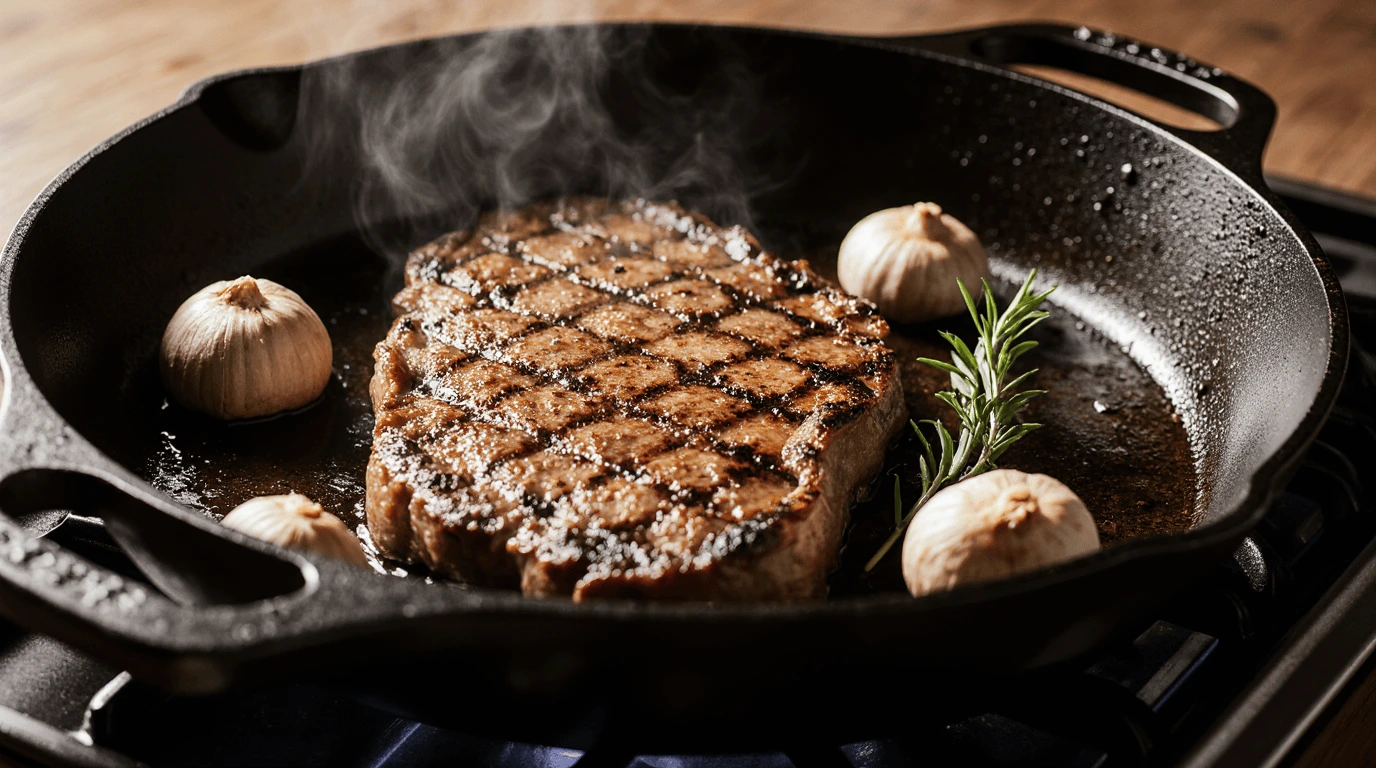
The sizzle of a perfectly seared steak, the rich aroma filling your kitchen, and that first tender, beefy bite – it's an experience typically reserved for high-end steakhouses. But what if we told you that achieving restaurant-quality new york strip steak at home is not only possible but surprisingly straightforward? Known for its robust flavor and satisfying chew, the New York strip is a favorite among connoisseurs, promising a culinary journey from the comfort of your dining room.
This ultimate guide will demystify the art of cooking the new york strip steak, covering everything from selecting the best cut to mastering various cooking techniques. Prepare to impress your taste buds and your guests with a steak that rivals any five-star establishment.
What Makes the New York Strip Steak a Culinary Icon?
The New York strip steak holds a legendary status in the culinary world, and for good reason. This iconic cut traces its origins back to Delmonico’s, a renowned New York City restaurant established in 1827, where it became their signature dish. Often called a Kansas City strip or simply a strip loin, this delectable cut comes from the short loin section of the cow, nestled behind the ribs and in front of the sirloin – the same primal cut that yields revered porterhouse and T-bone steaks.
What sets the new york strip steak apart is its exquisite balance. It originates from the longissimus dorsi muscle, which doesn't get extensive exercise, contributing to its inherent tenderness. Unlike the buttery softness of a filet mignon, which boasts a milder flavor, the new york strip offers a compelling combination of melt-in-your-mouth texture with a bold, intense beefy flavor that truly satisfies. This robust profile makes it a versatile choice, whether you're aiming for a classic steak dinner or incorporating it into gourmet sandwiches.
Most new york strip steaks are sold boneless, offering consistent cooking and easy slicing. However, bone-in versions are also available, which many argue impart even more flavor and moisture during cooking. Typical thickness ranges from 1 to 1.5 inches, though thicker cuts (up to 2 inches) are often preferred for techniques like reverse searing, ensuring a perfect internal temperature with an unbeatable crust.
Selecting the Perfect New York Strip: A Guide to Quality
The journey to a restaurant-quality new york strip steak begins long before it hits the pan – it starts at the butcher shop. Knowing what to look for can significantly impact your final result.
- Marbling is King: The most crucial indicator of a high-quality new york strip steak is its marbling. These are the small, delicate white lines of intramuscular fat woven throughout the lean red meat. During cooking, this marbling melts, infusing every fiber with moisture and an unparalleled richness of flavor. Don't shy away from fat; it's your secret weapon for a juicy, tender steak.
- USDA Grades: The United States Department of Agriculture (USDA) grades beef based on factors like marbling and maturity. For the best results, aim for:
- USDA Prime: This is the highest grade, indicating abundant marbling and superior tenderness. While it comes at a premium, it guarantees an exceptional eating experience.
- USDA Choice: An excellent and widely available option, Choice beef still offers good marbling and delivers a delicious, tender steak at a more accessible price point.
- USDA Select: This grade has less marbling and can result in a less juicy or flavorful steak. It's generally best to avoid Select for a premium cut like the New York strip if you're aiming for restaurant quality.
- Thickness Matters: As mentioned, thickness plays a role in cooking technique. A 1-inch steak is great for quick pan-searing, while a 1.5 to 2-inch cut opens up possibilities for reverse searing or grilling, allowing more control over internal doneness without overcooking the exterior. For more insights into how these characteristics influence your culinary choices, explore New York Strip: Marbling, Cuts, and Culinary Versatility.
Mastering the Art of Cooking Your New York Strip Steak
With your perfectly selected new york strip steak in hand, it's time to unleash its full potential. Regardless of the method, certain foundational steps are critical for success.
Essential Preparation Steps
- Bring to Room Temperature: Remove your steak from the refrigerator 20-30 minutes before cooking. This allows the steak to cook more evenly from edge to edge, preventing a cold center and overcooked exterior.
- Pat Dry, Thoroughly: Use paper towels to pat both sides of the steak completely dry. Moisture on the surface will steam the meat rather than sear it, preventing that coveted crispy, brown crust. This step is non-negotiable for a superior sear.
- Season Generously: A high-quality new york strip steak needs little more than generous amounts of coarse kosher salt and freshly cracked black pepper. The salt helps draw out moisture to form a better crust and penetrates the meat, enhancing its natural flavor. Season right before cooking. For an extra layer of flavor, consider a sprinkle of garlic powder or onion powder.
Pan-Searing: The Classic Method for a Perfect Crust
Pan-searing, particularly in a cast-iron skillet, is arguably one of the best ways to cook a new york strip steak, creating an incredible crust while keeping the interior juicy.
- Preheat the Skillet: Place a cast-iron skillet over medium-high heat. Allow it to preheat for several minutes until it's very hot and lightly smoking. This intense heat is vital for an immediate, strong sear.
- Add High-Heat Oil: Add 1-2 teaspoons of a high-smoke-point oil, such as avocado oil, grapeseed oil, or ghee, to the hot skillet. Swirl to coat the bottom.
- Sear the Steak: Carefully place the seasoned steak into the hot skillet. Sear undisturbed for 2-3 minutes per side. Resist the urge to move it; let that beautiful crust form.
- Baste for Flavor (Optional but Recommended): Reduce the heat to medium. Add a knob of unsalted butter, a few cloves of smashed garlic, and a sprig of fresh thyme or rosemary to the pan. Tilt the skillet slightly and, using a spoon, continuously baste the melting butter and aromatics over the steak for another 1-2 minutes per side. This infuses incredible flavor and helps create an even crust.
- Check Doneness: Use an instant-read meat thermometer inserted into the thickest part of the steak, avoiding the bone if present. Remember that the steak will continue to cook a few degrees after removal (carryover cooking). Pull it 5-10°F below your target temperature:
- Rare: 125°F (pull at 120-125°F)
- Medium-Rare: 135°F (pull at 130-135°F)
- Medium: 145°F (pull at 140-145°F)
- Rest the Steak: Transfer the steak to a cutting board and let it rest for 5-10 minutes. This crucial step allows the juices to redistribute throughout the meat, ensuring every slice is succulent. Cutting too soon will cause the juices to escape, leading to a dry steak.
- Slice Against the Grain: Once rested, slice the steak against the grain (perpendicular to the muscle fibers). This shortens the fibers, making each bite more tender.
The Cast-Iron + Oven Combo: For Thicker Cuts and Even Cooking
For thicker new york strip steaks (1.5 inches or more), the cast-iron + oven method, often called reverse searing when started in the oven, or a traditional pan-to-oven method, provides an even cook throughout with a fantastic crust.
- Preheat Oven & Skillet: Preheat your oven to 400°F (200°C). Follow steps 1-3 from pan-searing.
- Sear and Transfer: Sear the steak for 2 minutes per side in the hot cast iron skillet.
- Finish in the Oven: Immediately transfer the skillet to the preheated oven. Cook for 4-6 minutes for medium-rare, or 6-8 minutes for medium, depending on thickness. Again, use a thermometer and pull the steak 5-10°F below your desired final temperature.
- Rest and Serve: Remove from the oven, rest for 5-10 minutes, and slice against the grain.
Grilling Your New York Strip
The new york strip steak is a superb candidate for grilling, especially during warmer months. The open flame imparts a distinct smoky char that perfectly complements its robust beef flavor.
- Prepare Grill: Preheat your grill to high heat. Clean the grates thoroughly with a wire brush.
- Oil and Season: Lightly oil the grates (using a high-smoke-point oil on a paper towel held by tongs). Season your steak as described above.
- Sear and Flip: Place the steak on the hottest part of the grill. Sear for 2-4 minutes per side, depending on thickness, until distinct grill marks appear and a crust forms.
- Move to Cooler Zone (Optional): For thicker steaks or if flare-ups occur, move the steak to a slightly cooler part of the grill to finish cooking to your desired internal temperature, turning occasionally.
- Check Doneness & Rest: Use a thermometer to check doneness, remove 5-10°F early, and rest for 5-10 minutes before slicing.
Sous Vide for Precision (Advanced)
For unparalleled precision and tenderness, sous vide followed by a high-heat sear is a game-changer for new york strip steak. This method involves cooking the steak in a temperature-controlled water bath to an exact doneness, then finishing with a quick sear for the crust.
Cook your seasoned, vacuum-sealed new york strip in a water bath at your desired temperature (e.g., 129°F for medium-rare) for 1-3 hours. Remove, pat *very* dry, then sear quickly in a screaming hot cast iron skillet for 1-2 minutes per side to develop a crust. No resting is needed after the sear, as the sous vide process has already relaxed the muscle fibers.
Pairing and Serving Your Masterpiece
A perfectly cooked new york strip steak deserves equally thoughtful accompaniments. Classic pairings enhance its rich flavor without overpowering it.
- Classic Sides: Think creamy mashed potatoes, crispy roasted potatoes, garlic asparagus, or luscious creamed spinach. A simple green salad with a vinaigrette also offers a refreshing contrast.
- Elevating Sauces: While superb on its own, a well-chosen sauce can elevate your steak. Consider a vibrant chimichurri, a rich peppercorn sauce, or a sophisticated red wine reduction. Compound butters (e.g., garlic-herb butter) are also fantastic for melting over the hot, rested steak.
- Beyond the Plate: Don't limit your new york strip to just a main course. Sliced thin, leftovers make incredible steak sandwiches, French dips, or a protein-packed addition to salads and grain bowls for meal prep.
Conclusion
Cooking a restaurant-quality new york strip steak at home is a rewarding experience that combines simple techniques with a touch of culinary understanding. From selecting a beautifully marbled cut to mastering the sear and the crucial resting period, each step contributes to an unforgettable meal. With the insights and methods outlined in this guide, you now have the tools to transform a prime cut of beef into a culinary masterpiece. So, fire up your skillet or grill, and get ready to savor the bold, beefy perfection of your very own expertly cooked new york strip.
